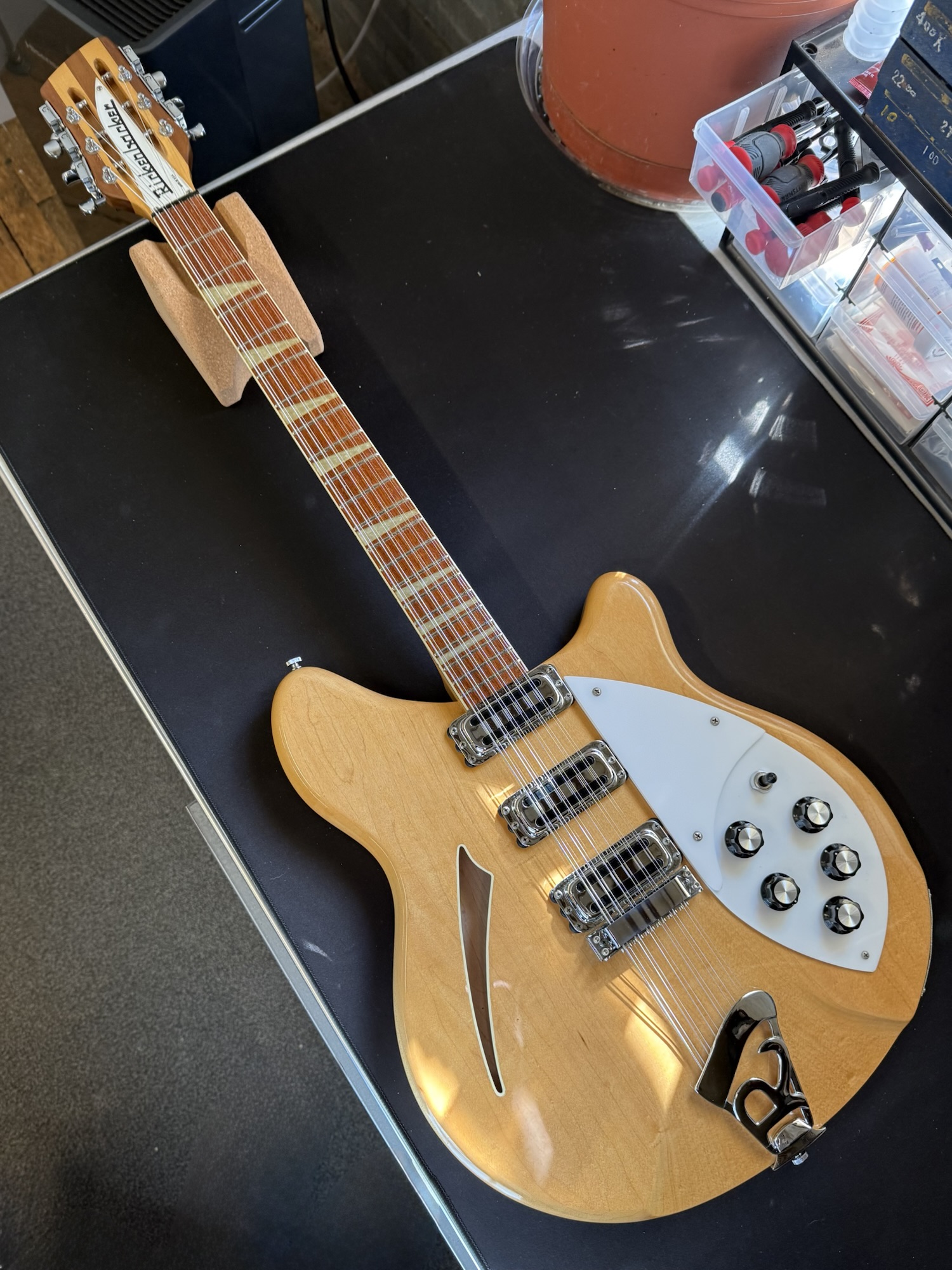
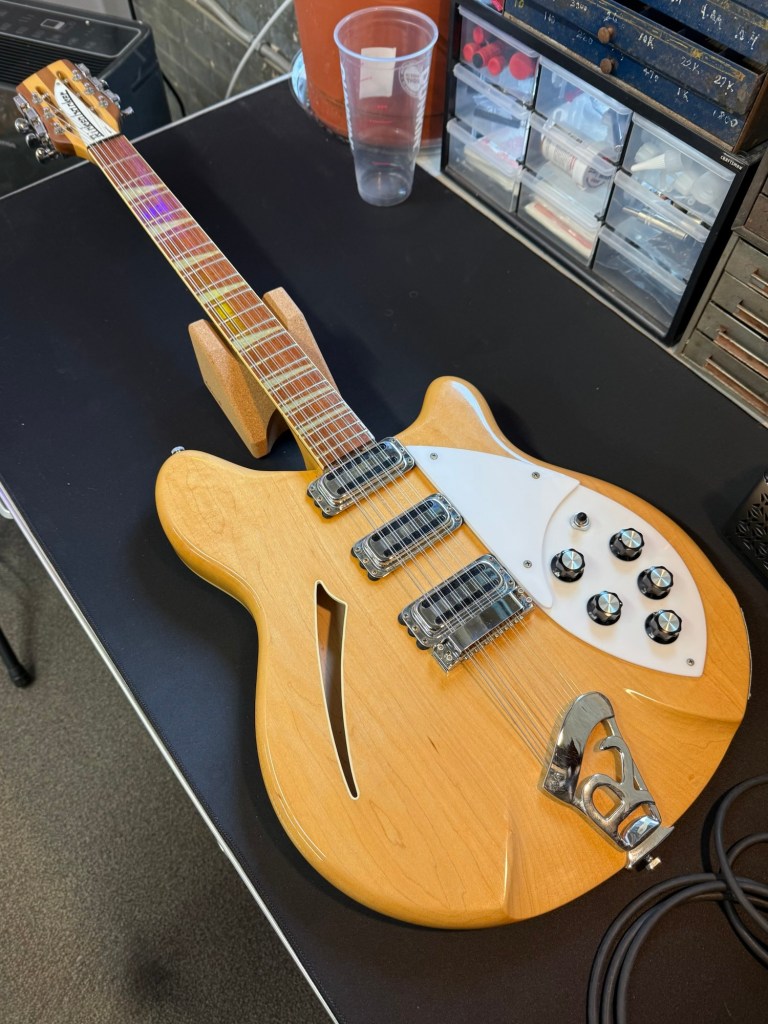
After straightening the neck, leveling, crowning, dressing and polishing the frets, the Rickenbacker had a great base to begin set up on. However, there were a number of issues with the guitar that remained to be addressed. The finish wasn’t exactly stellar. Apparently it had some ‘repairs’ done at some point. Not sure if this was a complete refinish or what, but there was clearly overspray on the back of the neck. Someone had gotten at it with some sort of aggressive abrasive which left the finish very thin in places. In other places, the finish was soft and sort of sticky. I had no intention of getting that deep into it, per my customer’s wishes, but I couldn’t leave all of it. The neck overspray especially took a lot away from the playing experience. For that, I soft blocked the area with 800 grit mesh until it was even, then did my standard poly polish: directional sanding from 1200 grit to 1500 grit, then a pass on each buffer wheel.
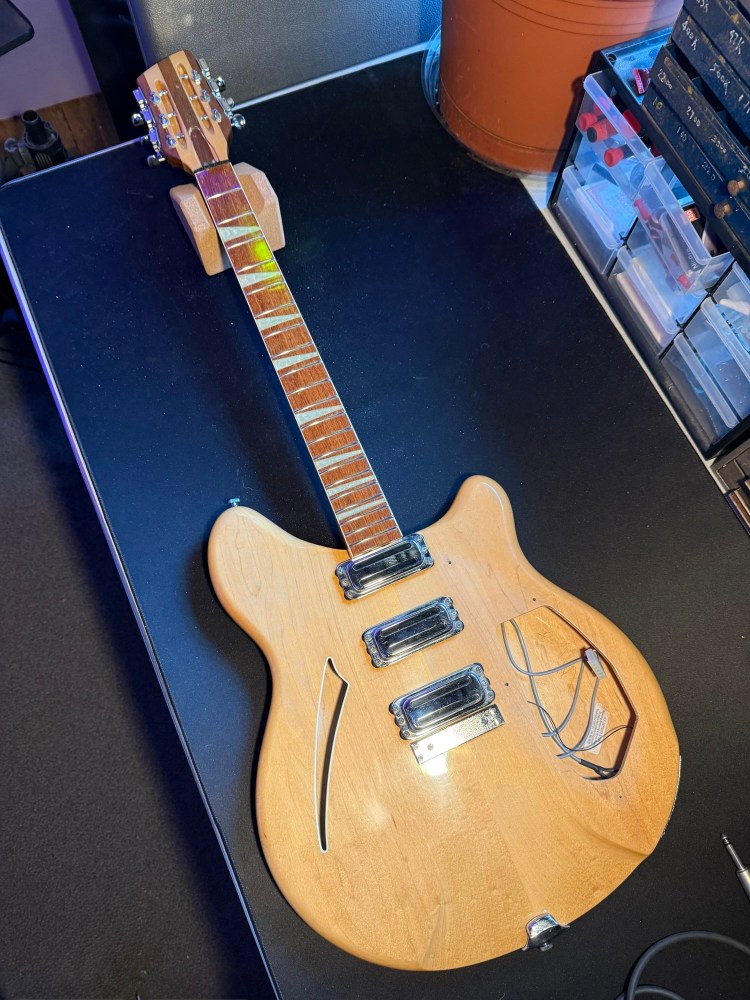
Everything checked out electronically though the contacts were quite scratchy. Each pot and switch was treated to a flush with Deoxit and a good amount of exercise. I’d used standard contact cleaner for years for this purpose but after working on cars and having such amazing results cleaning dimmer wheels and the like with Deoxit, I wound up trying it on my Fathers Gibson ES225 TDN which was WAY WAY WAY worse off electronically than any guitar I’d worked on. I think it saved those pots, honestly (at least for the time being and for the time I’ll have to worry about it).
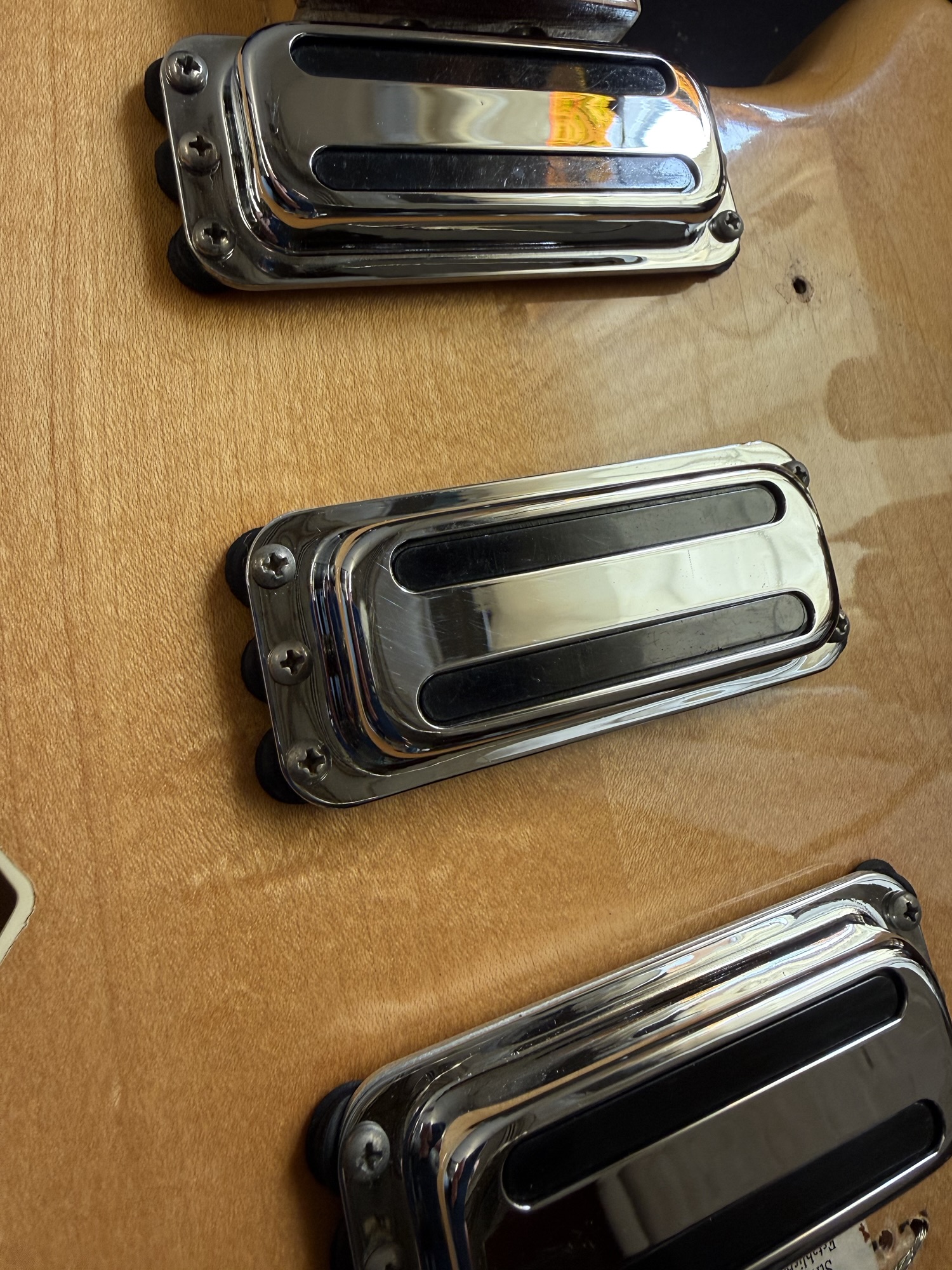
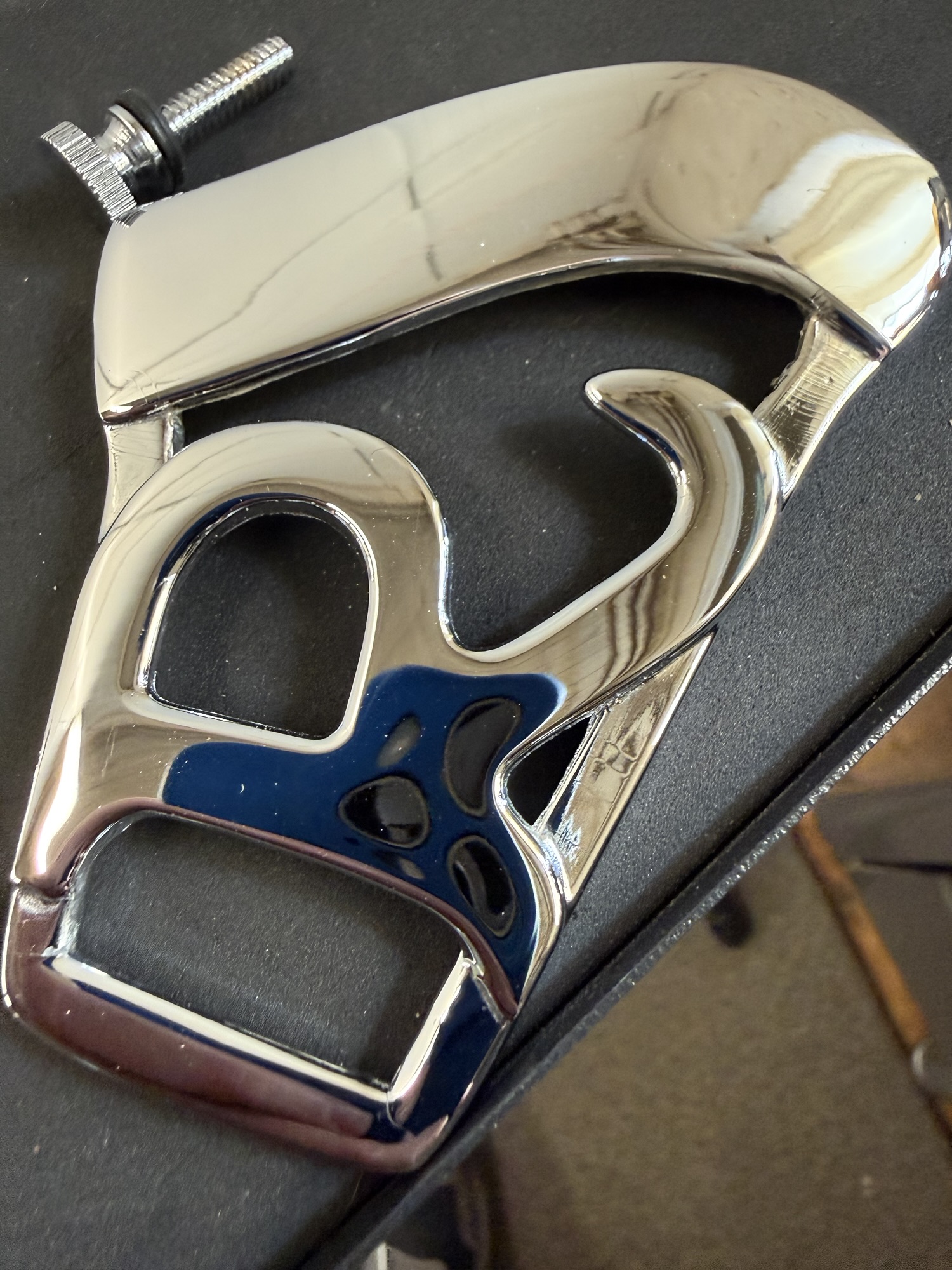
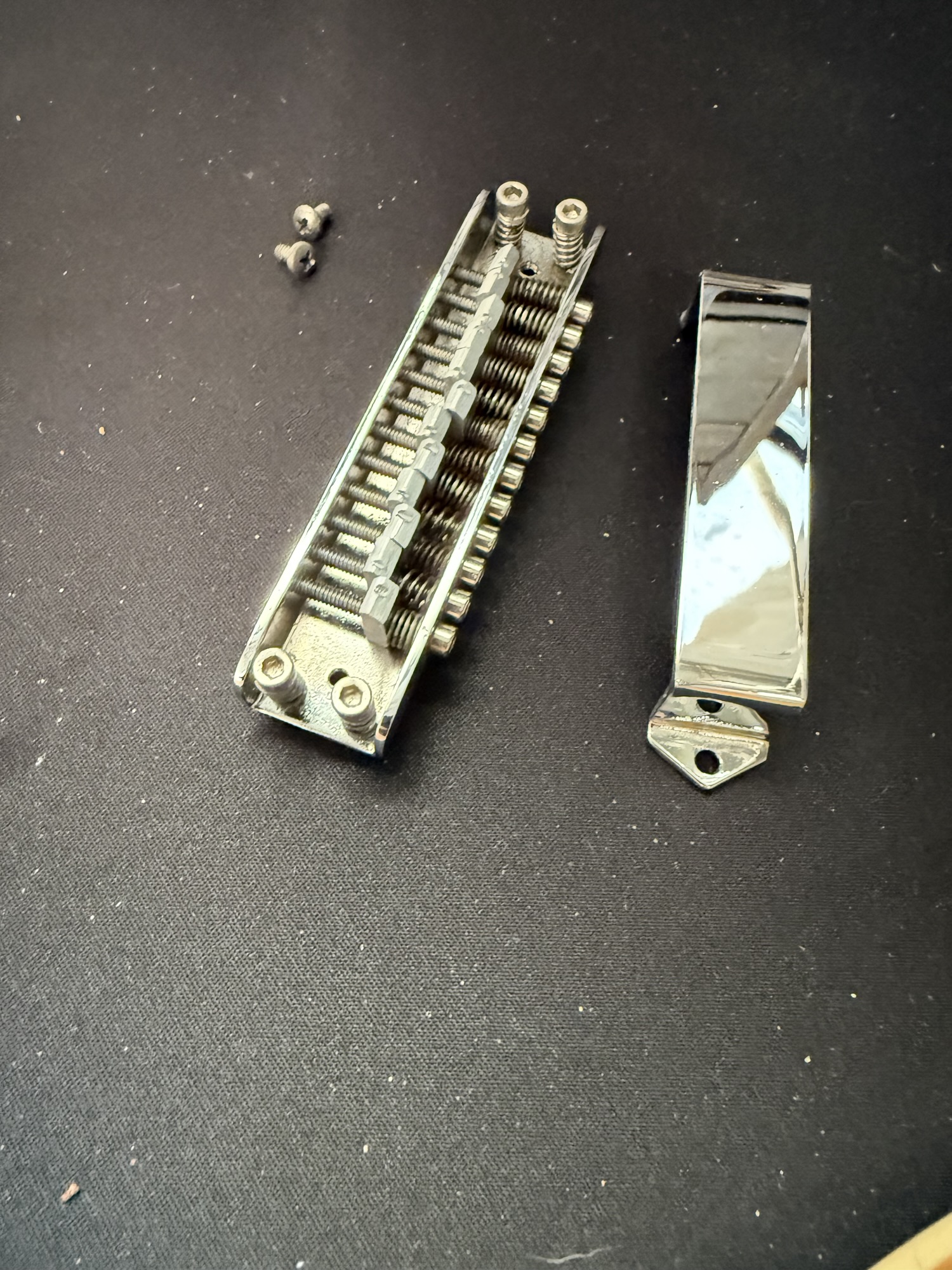
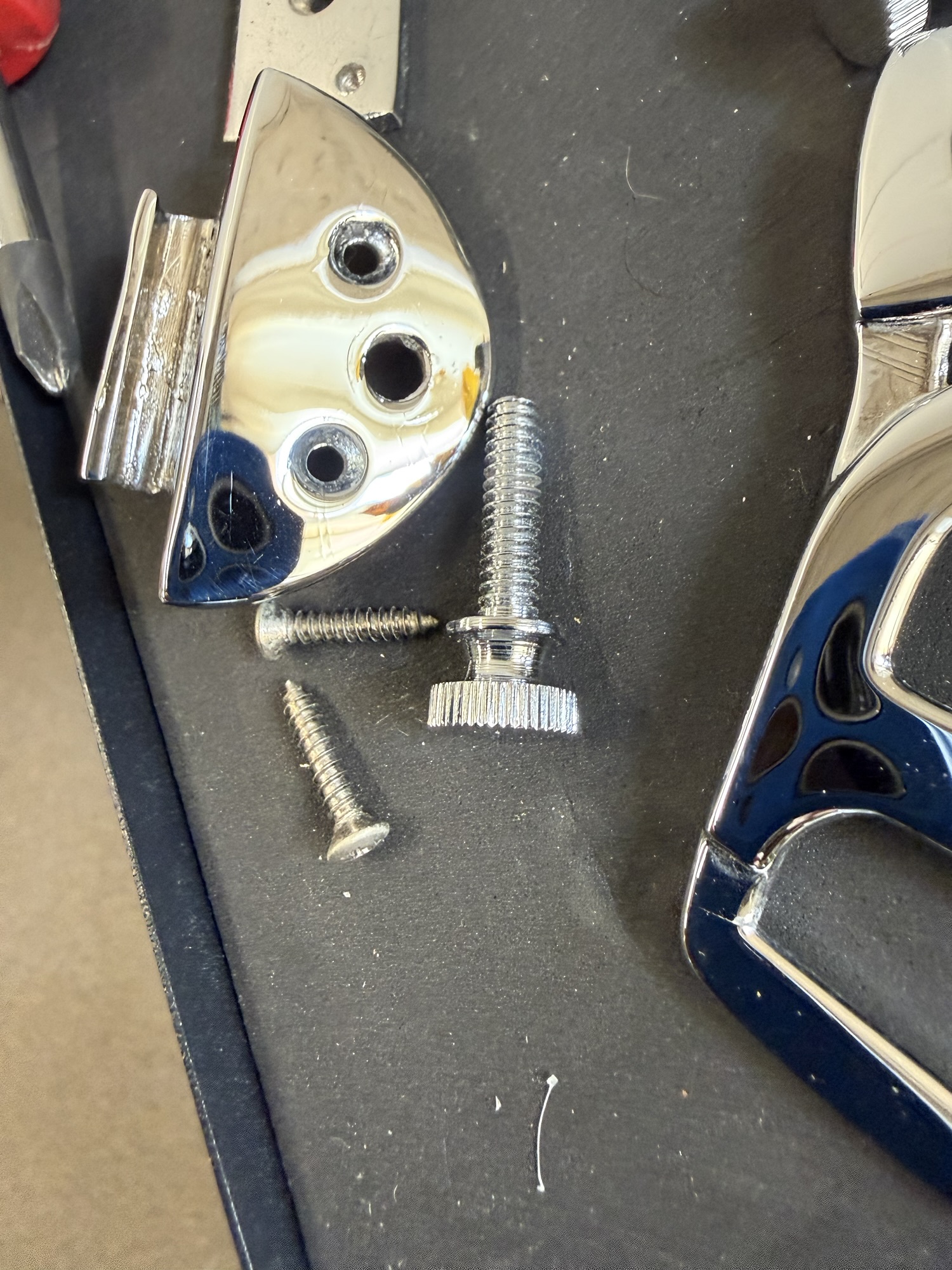
The hardware was dirty but the only corrosion to be found was on the saddle springs in the bridge. Everything was taken apart and cleaned with Sprayway Glass Cleaner then waxed with carnauba and buffed. The bridge was disassembled, cleaned, the springs (after being soaked in vinegar) and screws were soaked in Boeing T-9 then left to dry before reassembly.
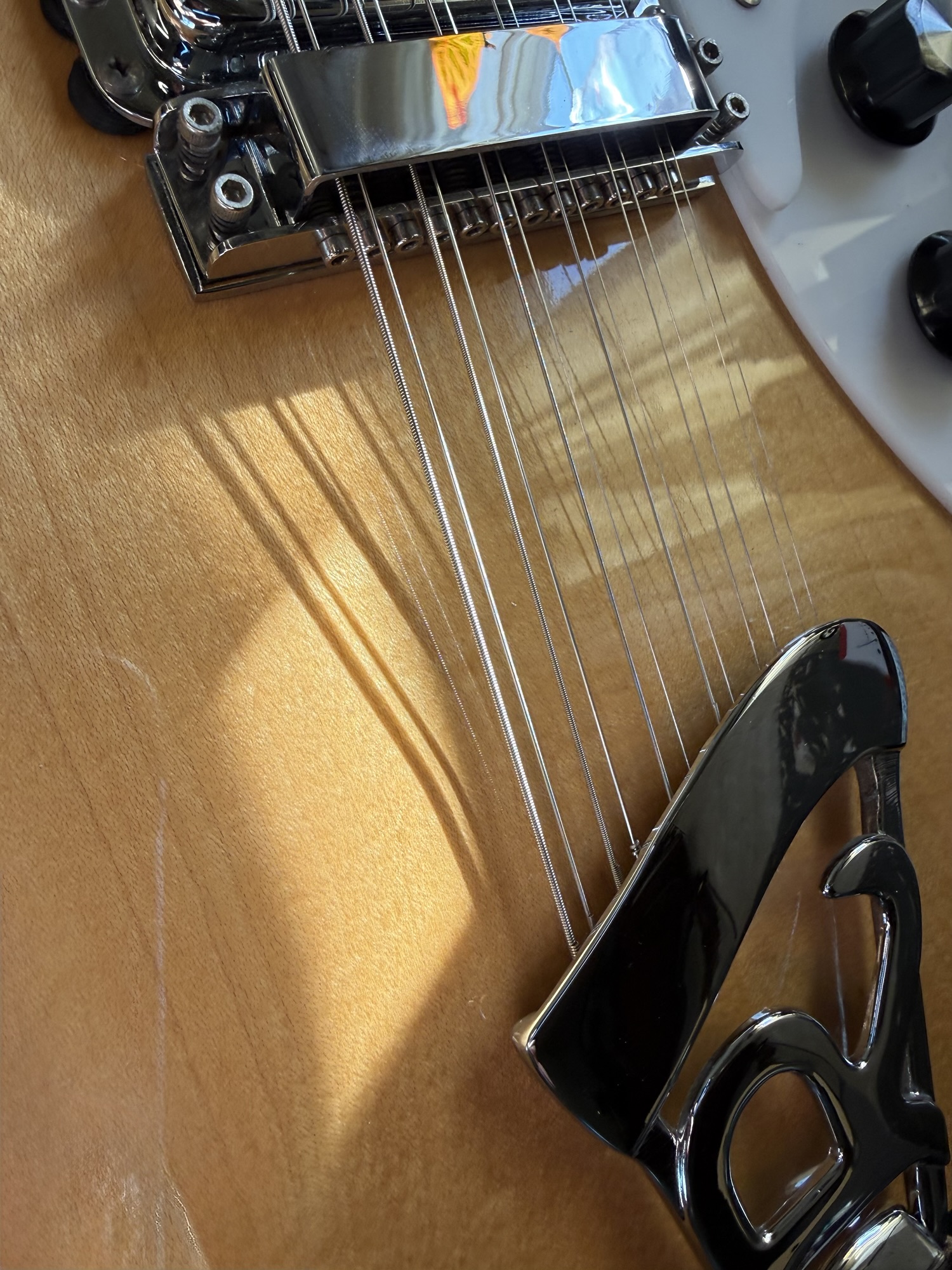
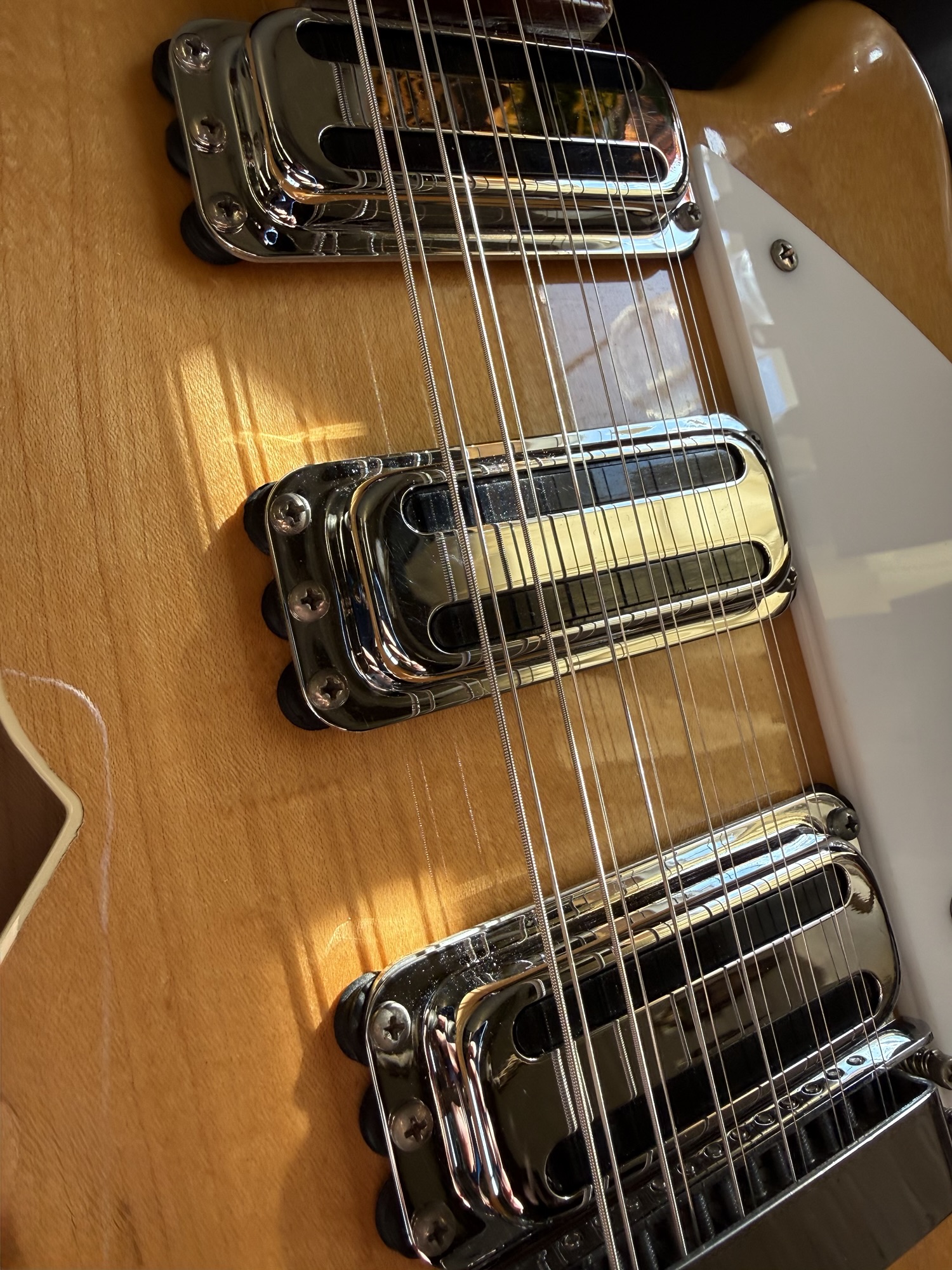
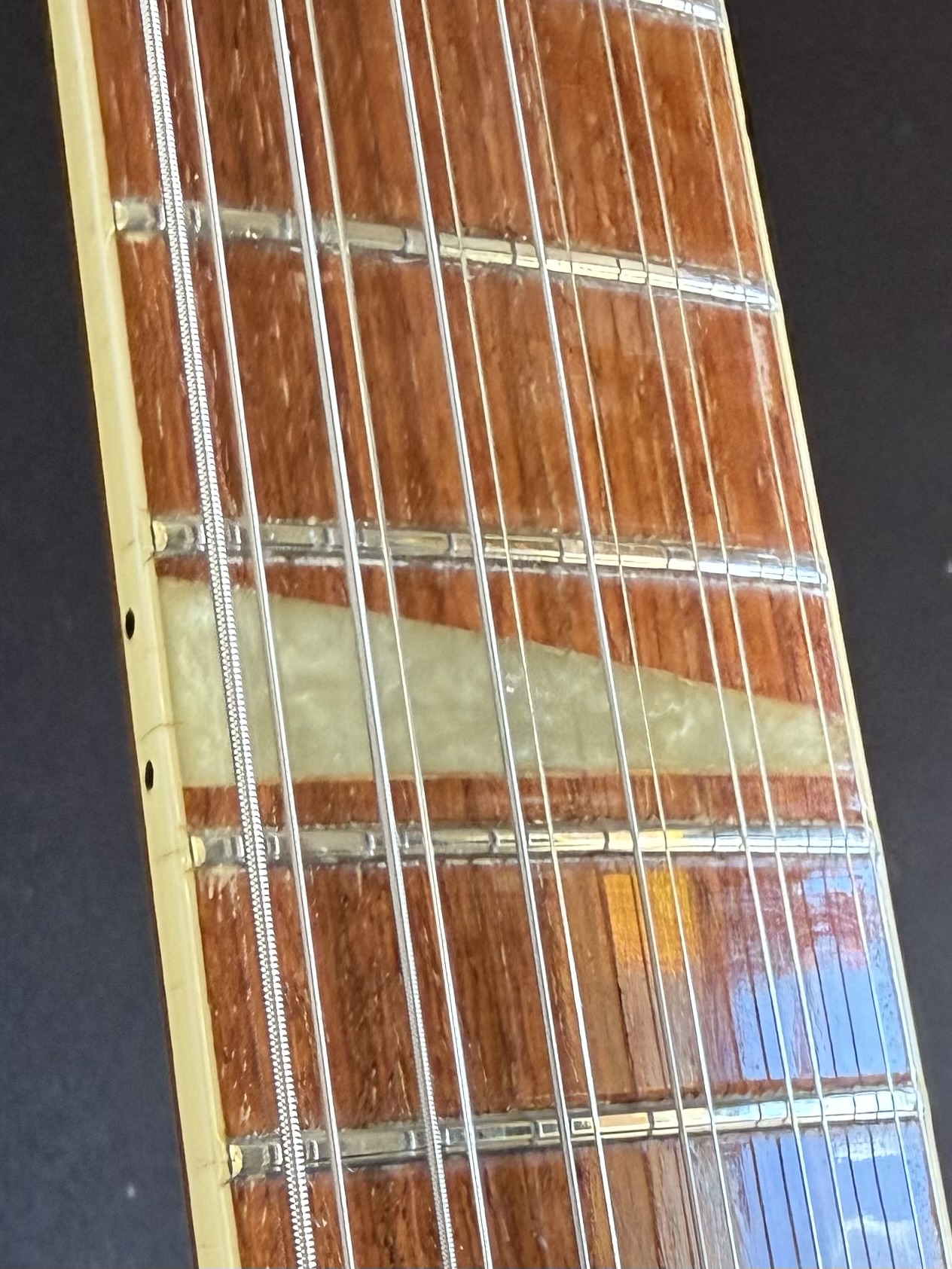
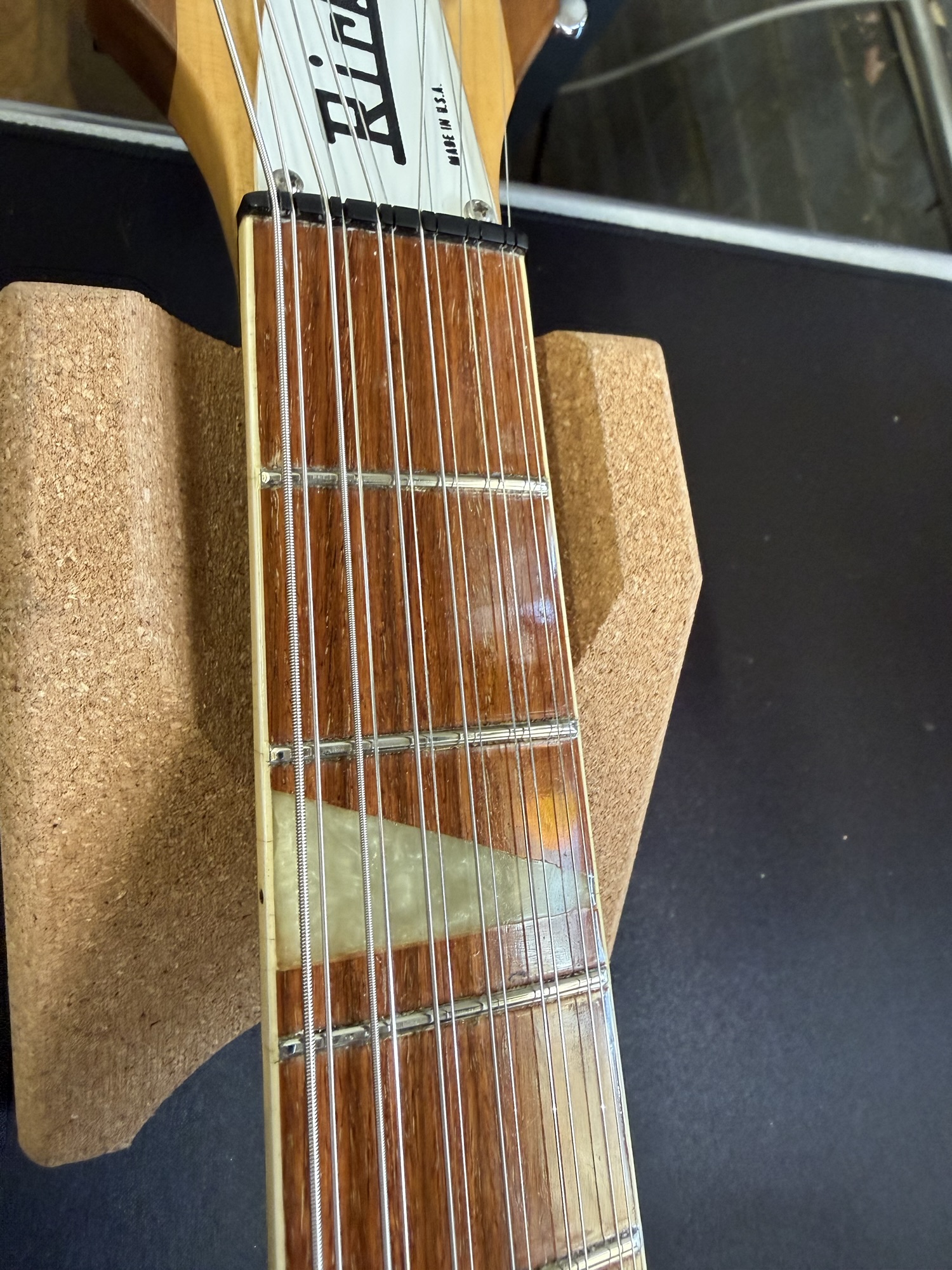
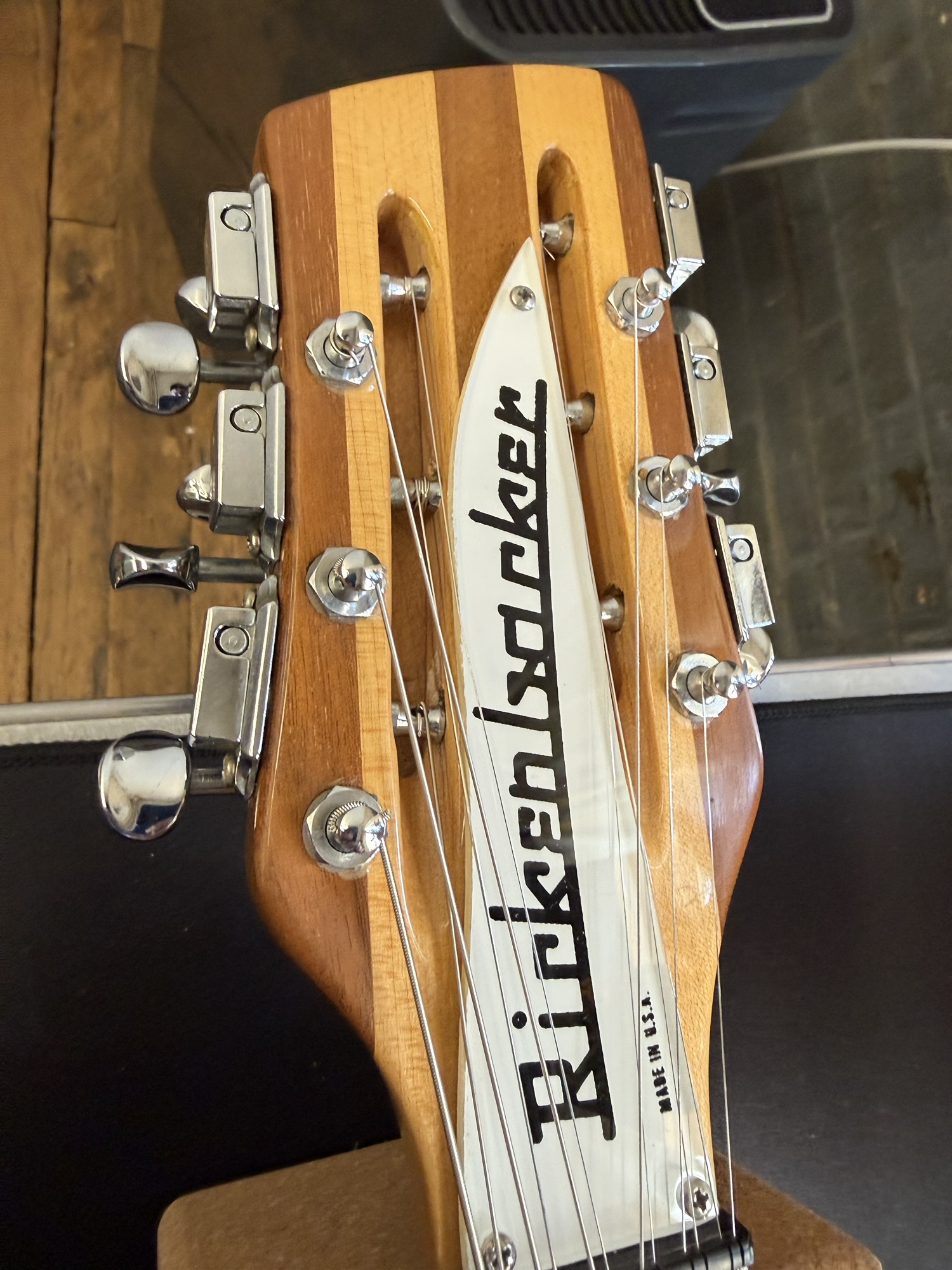
After assembly, the long process of stringing one of these beasts, the settling in of the truss rod adjustments, the finding of equilibrium in action, and setting the intonation, It was time to give it a shakedown run. Through my 1970 Fender Super Reverb it was clean and bright. The pots retained their smooth, factory feel without the scratchy pops from years of corrosion and dust build up. The action was tighter higher up the frets, initially measuring at about .060″ at the 12th now down to .030″. A nearly effortless player compared to what landed on my bench a few days before.
I’m running set up specials until 2027 so, if you have something living under your bed, or a battle axe in your toolbox that’s getting dull, please give a shout. I work on guitars, basses, drums, orchestral instruments, and world instruments. Thanks and I hope to hear from you!

